




"4/0" refers to the size of the suture, with smaller numbers indicating thinner thread. "3/8C" refers to the length of the needle, with the "C" indicating a curved needle shape.
The material itself is a "resorbable" type of suture, which means it will eventually break down and be absorbed by the body over time, eliminating the need for removal. The suture material is made from a combination of polyglycolic acid braid and lactic acid, both of which are biodegradable materials.
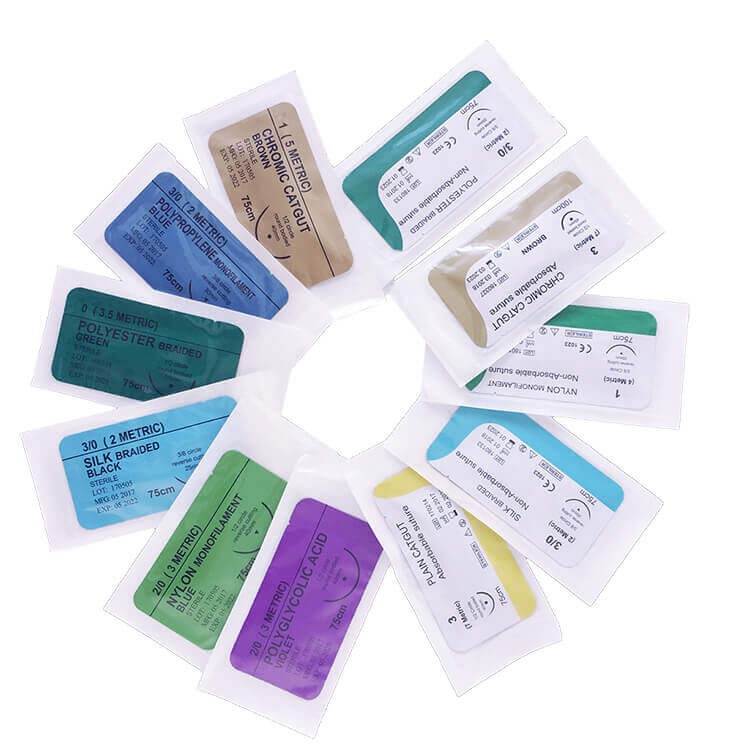
sutura chirurgica 4
The "20 mm round" description refers to the shape and size of the needle. The round needle shape is typically used for suturing softer tissues, such as skin, while the size of the needle will vary depending on the specific application.
L'acido poliglicolico (PGA) è un polimero sintetico comunemente utilizzato nelle suture chirurgiche per la sua elevata resistenza e biodegradabilità. Viene utilizzato da decenni e ha un profilo di sicurezza ben consolidato. L'acido lattico è un altro materiale biodegradabile comunemente utilizzato nelle suture chirurgiche e spesso viene combinato con il PGA per migliorarne le proprietà meccaniche.
La combinazione di PGA e acido lattico nel materiale della sutura determina una struttura intrecciata, che offre una maggiore resistenza alla trazione e sicurezza del nodo. La struttura intrecciata riduce anche il rischio che la sutura tagli i tessuti o li danneggi.
Negli interventi chirurgici, il materiale di sutura viene utilizzato per chiudere incisioni o ferite. L'ago è tipicamente attaccato a un'estremità della sutura e l'altra estremità viene tenuta dal chirurgo o fatta passare attraverso il tessuto utilizzando un porta-aghi. L'ago viene usato per tirare la sutura attraverso il tessuto e la sutura viene poi legata per chiudere l'incisione o la ferita.
Once the wound has healed, the suture material will gradually break down and be absorbed by the body, eliminating the need for removal. The rate of resorption depends on various factors, such as the type of suture material, the location of the wound, and the patient's individual healing process.
Overall, the "4/0 3/8C RESORBABLE NEEDLE 20 mm ROUND POLYGLYCOLIC ACID BRAID + LACTIC ACID" is a commonly used suture material in surgical procedures due to its strength, biodegradability, and established safety profile.
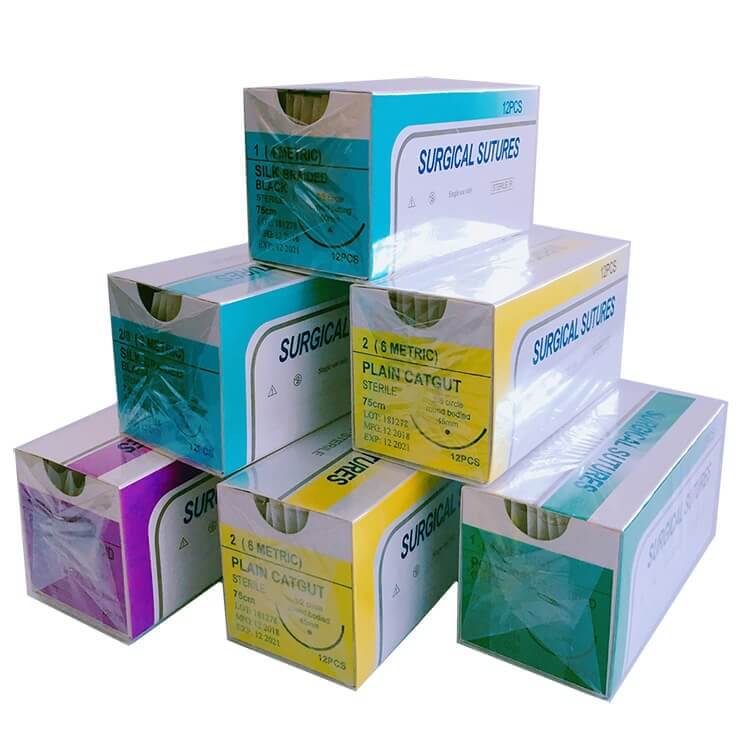
ACIDO POLIGLISTICO BRAID + ACIDO LATICO vs ACIDO POLIGLISTICO?
L'acido poliglicolico (PGA) e la treccia di acido poliglicolico + acido lattico sono entrambi materiali di sutura riassorbibili comunemente utilizzati nelle procedure chirurgiche. Tuttavia, esistono alcune differenze tra i due.
Il PGA è un polimero sintetico utilizzato da decenni nelle suture chirurgiche. È noto per la sua elevata resistenza e sicurezza dei nodi, che lo rendono una scelta popolare per la sutura di tessuti molli come la pelle e i muscoli. Le suture in PGA sono tipicamente monofilamento, cioè composte da un unico filo.
La treccia di acido poliglicolico + acido lattico, invece, è un materiale di sutura intrecciato realizzato con una combinazione di PGA e acido lattico. La struttura intrecciata offre una maggiore resistenza alla trazione e sicurezza del nodo rispetto alle suture monofilamento. La combinazione di PGA e acido lattico dà luogo a un materiale di sutura resistente e biodegradabile, poiché entrambi i materiali vengono assorbiti dall'organismo nel corso del tempo.
Un vantaggio dell'uso della treccia di acido poliglicolico + acido lattico rispetto al solo PGA è che la struttura a treccia riduce il rischio che la sutura tagli i tessuti o li danneggi. La struttura intrecciata consente inoltre una migliore manipolazione e la realizzazione dei nodi. Tuttavia, le suture intrecciate possono essere più inclini a ospitare batteri rispetto alle suture monofilamento.
The choice of suture material will depend on various factors, such as the type of tissue being sutured, the location of the wound, the surgeon's preference, and the patient's individual needs. Both PGA and Polyglycolic acid braid + Lactic acid are safe and effective suture materials with established track records in surgical procedures.