



Healthcare-associated infections (HAIs) transmitted via non-critical environmental surfaces—such as bed rails, infusion pump keypads, diagnostic monitors, and hemodialysis stations—impose immense clinical and financial burdens on modern hospitals. Surface disinfection wipes serve as the frontline defense against pathogen persistence. However, selecting between 70% Isopropyl Alcohol (IPA) wipes y Quaternary Ammonium Compound (Quat) wipes involves a critical balance between rapid germicidal evaporation, broad-spectrum virucidal efficacy, and long-term medical device polymer compatibility. This infection control engineering guide analyzes the chemical mechanisms, contact wet-times, equipment degradation risks, and bulk hospital tender specifications governing wipe procurement.
1. Chemical Kill Mechanisms & Antimicrobial Spectra
The biocidal activity of surface wipes is determined by how their chemical active ingredients interact with microbial cell walls and viral capsids:
- 70% Isopropyl Alcohol (IPA): Operates via rapid protein denaturation and cell membrane dissolution. Alcohol rapidly penetrates microbial cell walls, coagulating metabolic enzymes and lysing vegetative bacteria (including MRSA and VRE), mycobacteria (Mycobacterium tuberculosis), and lipophilic/enveloped viruses (e.g., Influenza, HIV, Hepatitis B/C, SARS-CoV-2). However, IPA lacks sporicidal activity against bacterial endospores (Clostridioides difficile) and exhibits variable efficacy against non-enveloped enteric viruses (Norovirus, Poliovirus).
- Quaternary Ammonium Compounds (Dual or Multi-Chain Quats): Cationic surfactants that bind electrostatically to negatively charged microbial phospholipids, disrupting cell membrane integrity and causing rapid intracellular leakage. Modern fourth- and fifth-generation "twin-chain" Quats (often formulated with low alcohol or chelating agents) deliver potent bactericidal, fungicidal, and virucidal kill while providing prolonged residual bacteriostatic activity on dry surfaces.
Explore Shevenmed's comprehensive infection control and disinfection portfolio for complete material safety datasheets and bactericidal testing reports (EN 13727 / EN 14476).
2. Contact "Wet-Time" Physics: Evaporation vs Dwell Time Realities
A fundamental principle in environmental surface disinfection is contact wet-time (dwell time)—the continuous duration that a surface must remain visibly wet with disinfectant to achieve verified log-reduction kill rates:
| Performance Parameter | 70% Isopropyl Alcohol (IPA) Wipes | Quaternary Ammonium Compound (Quat) Wipes | Clinical & Operational Impact |
|---|---|---|---|
| Verified Contact Wet-Time | 30 seconds – 1 minute | 2 minutes – 3 minutes (older formulations 5–10 mins) | IPA achieves full germicidal efficacy before drying; Quats require intentional re-wiping if evaporation occurs prematurely. |
| Evaporation Rate & Residue | Ultra-fast flash evaporation; zero chemical residue or streaks. | Slow evaporation; leaves a thin bacteriostatic polymer film that can build up a tacky residue over time. | IPA is superior for diagnostic monitor glass, optical sensors, and stainless steel; Quats require periodic water rinses to remove film. |
| Organic Soil Tolerance | Poor: high organic soil (blood, serum) coagulates, shielding embedded pathogens from alcohol penetration. | Moderate to High: surfactant detergent properties emulsify organic soils, enabling one-step cleaning and disinfection. | Surfaces heavily soiled with blood or bodily fluids require pre-cleaning before 70% IPA application. |
| Flash Point & Flammability | Flammable (Flash point approx. 21°C–23°C); requires ventilated storage. | Non-flammable water-based formulation; zero fire hazard in bulk hospital storage. | IPA bulk storage must comply with local hazardous material warehousing codes; Quats offer standard warehousing. |
Learn more about medical alcohol formulations in our technical guide on why 70% isopropyl alcohol is superior to 99% alcohol in clinical disinfection.
3. Medical Device Material Compatibility: Cracking & Crazing Risks
One of the largest hidden costs in hospital environmental maintenance is the premature degradation of sensitive medical equipment caused by chemical incompatibility:
- Polycarbonate & Acrylic Plastic Crazing (Alcohol Risk): 70% Isopropyl Alcohol acts as a solvent on stressed amorphous thermoplastics. Frequent wipedown of patient monitor bezels, ultrasound transducers, acrylic infant incubators, and infusion pump casings with IPA can cause environmental stress cracking (ESC), surface clouding (crazing), and brittleness within 6 to 12 months.
- Rubber & Silicone Softening (Quat Advantage): High-concentration alcohol can extract plasticizers from elastomeric cables, ECG lead wires, and silicone seals, causing them to stiffen and crack. Water-based Quat formulations exhibit superior compatibility with soft elastomers and acrylic displays, extending expensive medical equipment lifespans.
Consequently, hospital clinical engineering committees increasingly designate Quat wipes for complex electronic medical devices and patient monitors, while reserving 70% IPA wipes for medication preparation counters, blood glucose monitors, stainless steel Mayo stands, and quick-turnaround phlebotomy trays.
4. Wipe Substrate Metallurgy: Spunlace Non-Woven vs Paper Cellulose
The physical delivery wipe substrate directly impacts chemical efficacy. Ordinary cellulose paper or cotton gauze absorbs cationic Quat molecules (a phenomenon known as "Quat binding"), reducing the active disinfectant concentration released onto the surface by up to 50%!
Medical-grade disinfection wipes utilize 100% synthetic Spunlace non-woven fabric (polypropylene / polyester blend, 35–55 gsm):
- Zero Quat Adsorption: Synthetic fibers do not absorb active quaternary ammonium ions, ensuring that 100% of the formulated chemical concentration is transferred to the contact surface.
- Low-Linting Performance: High-pressure water-jet hydroentanglement locks fibers together, preventing particulate shedding into surgical wounds, intravascular lines, or sensitive electronic cooling vents.
- Texture Scrubbing Power: Embossed diamond or pearl textured surfaces mechanically dislodge adhered bioburden, enhancing chemical penetration into microscopic surface grooves.
5. Packaging Integrity & Ocean Freight Procurement Logistics
For international medical distributors and hospital tender boards, wipe packaging integrity directly governs shelf life and shipping economics:
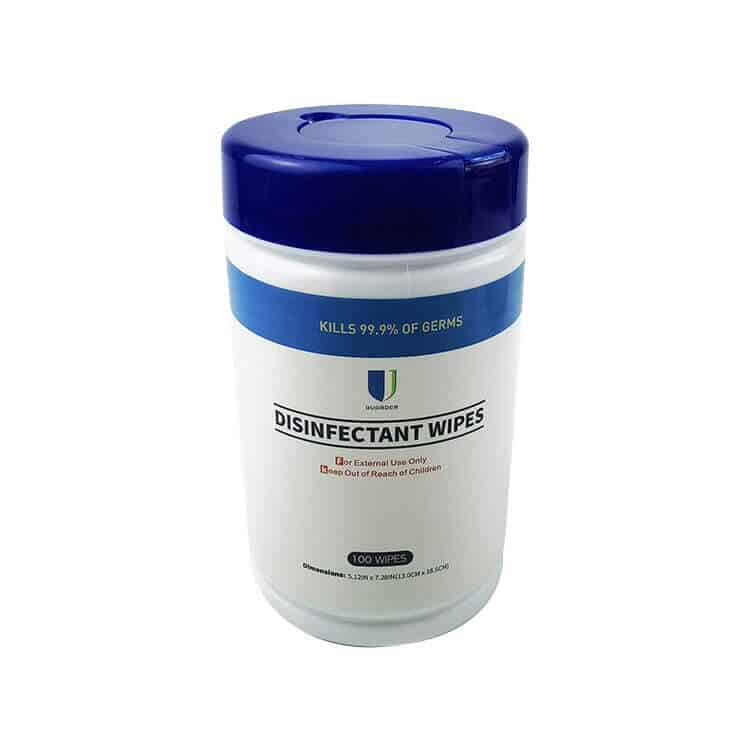
- Airtight Canisters (100–160 wipes): Heavy-duty high-density polyethylene (HDPE) canisters with induction-sealed foil membranes and self-closing pop-up dispensing lids to prevent solvent evaporation over a verified 24-month shelf life.
- Soft Flow-Pack Pouches with Rigid Flip-Top Lids (40–80 wipes): Lighter tare weight reduces international container ocean freight costs by up to 25% compared to rigid canisters, while moisture-lock inner adhesive seals prevent dry-out between uses.
- Dual-Certification Compliance: Verified compliance with EN 1276 (bactericidal), EN 1650 (fungicidal), EN 14476 (virucidal), and ISO 13485 cleanroom automated manufacturing.
6. Shevenmed Infection Control Excellence
As a specialized supplier of medical skin and surface disinfection products, Shevenmed's infection control range delivers standardized 70% IPA wipes, multi-chain Quaternary Ammonium wipes, and hospital wound care consumables manufactured under rigorous GMP cleanroom standards. With comprehensive batch traceability, validated shelf-life stability, and full maritime container supply chain support, Shevenmed empowers healthcare facilities worldwide to curb HAIs while protecting vital equipment investments.