



胃管は、栄養、薬を提供するため、またはその他の治癒処置を行うために使用される医療器具です。装置は鼻または口から挿入され、胃または小腸に入ります。次の記事では、さまざまな種類の胃管、その利点とリスク、適切な手入れ方法、潜在的な合併症について説明します.
胃管には、がん、脳卒中、手術などのさまざまな状態のために食べ物を食べたり飲み込んだりできない患者の治療など、多くの医療用途があります。また、特に胃腸閉塞やイレウスの場合に、胃の減圧や内容物の除去にも使用できます。
胃管の種類
There are several types of stomach tubes available. The type of tube selected depends on the intended purpose of the procedure, patient's medical history, and condition. Here are some of the most common types of stomach tubes:
口腔胃管:この管は口から挿入され、喉を通って胃に送られます。緊急時の短期間の給餌によく使用されます。
経鼻胃管:この管は鼻から挿入され、喉を通って胃に送られます。短期給餌と長期給餌の両方に使用されます。
胃瘻チューブ: このチューブは、腹部の小さな切開部から外科的に胃に直接挿入されます。経口摂取に耐えられない患者の長期栄養補給に一般的に使用されます。
空腸瘻チューブ: このチューブは外科的に小腸に直接挿入されます。胃からの栄養素の吸収が困難な患者に使用されます。
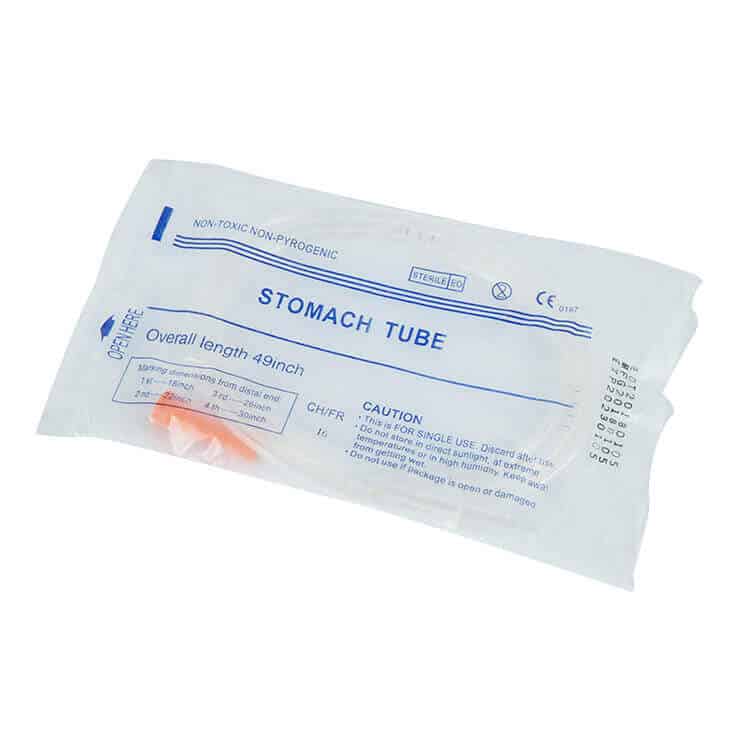
胃管
胃管の利点
Feeding: One of the primary benefits of a stomach tube is to provide nutrition to patients who cannot eat or drink normally. Stomach tubes are used to deliver liquid or pureed food directly into the stomach, bypassing the mouth and throat. This is helpful in patients who are unable to swallow due to medical conditions such as stroke, Parkinson's disease, or head and neck cancers.
薬の投与: 胃管は、経口投与できない薬を投与するために使用できます。これは、錠剤や液体の薬を飲み込めない患者に役立ちます。
減圧: 胃管は、余分なガスや液体を胃から排出するためにも使用されます。胃の内容物を吸引することで、吐き気、嘔吐、腹痛などの症状を緩和します。
胃洗浄: 胃管を使用して胃洗浄を行うことができます。これは、毒素や異物を除去するために胃を水または生理食塩水で洗い流すことを含む手順です。
ただし、胃管の使用に関連するいくつかのリスクと潜在的な合併症があります。これらには、感染、穿孔、および挿入中の喉または食道への損傷が含まれます。胃管を長期間使用する必要がある患者は、デバイスからの不快感や刺激、社会的偏見や日常活動の困難を経験することもあります。
リスクと合併症
他の医療処置と同様に、胃管にはいくつかのリスクと潜在的な合併症が伴います。これらには以下が含まれます:
感染症: 胃管を挿入すると、体内に細菌が入り込み、感染症を引き起こす可能性があります。
出血: 胃管の挿入または除去により、場合によっては出血が生じることがあります。
穿孔:胃管の挿入中に胃や腸に穿孔するリスクがあり、深刻な合併症につながる可能性があります。
誤嚥:誤嚥は、胃の内容物が不注意に肺に吸い込まれたときに発生し、呼吸困難または肺炎につながります.
胃管のケアとメンテナンス
胃管の適切なケアとメンテナンスは、合併症を防ぎ、最適な機能を確保するために不可欠です。ここでは、重要なケアとメンテナンスの手順をいくつか紹介します。
洗浄と洗浄: 感染や閉塞を防ぐために、胃管は定期的に洗浄および洗浄する必要があります。これは、摂食または投薬後に滅菌水または生理食塩水を使用してチューブを洗い流すことによって行われます。
チューブ配置の確認: 使用前に、胃チューブが正しく配置されていることを確認することが不可欠です。これは、胃の内容物を吸引するか、X 線を実行することによって行われます。
適切な配置: 胃管を装着している患者は、ずれや閉塞を防ぐために正しく配置する必要があります。ベッドの頭を上げ、授乳中または投薬中は患者を横向きにします。
モニタリング: 胃管を挿入した患者は、感染、出血、脱落などの合併症の徴候がないか注意深くモニタリングする必要があります。
結論
Stomach tubes are a crucial medical device used for feeding, medication administration, and other therapeutic procedures. The type of tube selected depends on the intended purpose and patient's medical condition. While stomach tubes offer several benefits, they also carry risks and potential complications. Proper care and maintenance of stomach tubes are essential to prevent complications and ensure their optimal function. Overall, stomach tubes are an important medical tool that can provide essential nutrition, prevent aspiration, and aid in diagnosing and treating certain medical conditions, but they must be used carefully and with consideration of the potential risks. For clinical procurement, detailed specifications, and bulk orders, view Evenmed's medical-grade stomach tubes and dedicated enteral feeding tubes. For paired urological care and closed-system fluid collection, explore our silicone Foley catheters, latex Foley catheters, non-invasive male external catheters, and medical drainage bags including urine bags with T-valve, push-pull valve urine bags, screw valve urine bags, and standard urine bags without outlet valve.
よくある質問
胃管は栄養補給のみに使用されますか?いいえ、胃管は投薬、減圧、胃洗浄にも使用されます。
胃管は誰でも挿入できますか?いいえ、胃管は訓練を受けた医療専門家のみが挿入する必要があります。
胃管はどのくらいの頻度で洗浄する必要がありますか?胃管は、給餌または投薬のたびに洗浄およびフラッシュする必要があります。
胃管が適切に留置されているかどうかはどうやってわかりますか?胃管の正しい配置は、胃の内容物を吸引するか、X 線を実行することによって確認できます。
人はまだ胃管で飲食できますか?ほとんどの場合、胃管を挿入した人は、正常に食べたり飲んだりできません。彼らは栄養をチューブから胃や小腸に直接送ります。
For advanced enteral feeding protocols and tube maintenance tips, read our guide on digestive health solutions using stomach tubes. In acute care, enteral nutrition is frequently coordinated alongside vascular access lines such as peripheral IV catheters and hemodialysis access lines like the double lumen hemodialysis catheter kit.